The tomato market is a dynamic sector influenced by various factors that determine pricing and availability. Understanding these key price determinants is essential for farmers, distributors, and consumers alike. This article delves into the critical elements that shape the tomato market, including supply and demand dynamics, climatic conditions, production costs, and market trends. By examining these factors, stakeholders can make informed decisions and adapt to the ever-changing landscape of tomato production and sales.
Supply and Demand Dynamics
At the core of any market lies the fundamental principle of supply and demand. In the tomato market, this relationship plays a pivotal role in determining prices. When demand for tomatoes increases, perhaps due to a rise in popularity for healthy eating or a surge in restaurant usage, prices tend to rise if the supply does not keep pace. Conversely, if there is an oversupply of tomatoes, prices may drop, leading to potential losses for farmers.
Factors Influencing Demand
Several factors can influence the demand for tomatoes:
- Consumer Preferences: Trends in dietary habits significantly affect tomato demand. The growing popularity of Mediterranean diets, which emphasize fresh vegetables, has led to increased consumption of tomatoes.
- Seasonality: Demand for fresh tomatoes typically peaks during the summer months when they are in season. Off-season demand may rely more on canned or processed tomatoes, which can affect pricing.
- Economic Conditions: During economic downturns, consumers may opt for cheaper food alternatives, impacting the demand for premium tomato varieties.
Factors Influencing Supply
On the supply side, several elements can affect the availability of tomatoes:
- Production Levels: The amount of tomatoes produced in a given year can vary significantly based on factors such as planting area, crop yield, and farming practices.
- Weather Conditions: Tomatoes are sensitive to climatic changes. Extreme weather events, such as droughts or floods, can severely impact crop yields, leading to fluctuations in supply.
- Pest and Disease Management: The presence of pests and diseases can reduce tomato production. Effective management practices are crucial to maintaining healthy crops and ensuring a stable supply.
Climatic Conditions and Their Impact
Climatic conditions are a significant factor in tomato production, affecting both yield and quality. Tomatoes thrive in warm climates, but extreme temperatures can lead to adverse effects on growth and fruit development.
Temperature and Growth
Tomatoes require specific temperature ranges for optimal growth. Ideal daytime temperatures are between 70°F and 85°F (21°C to 29°C), while nighttime temperatures should not drop below 55°F (13°C). Deviations from these ranges can lead to:
- Blossom Drop: High temperatures can cause flowers to drop before fruit sets, reducing overall yield.
- Sunscald: Excessive heat can lead to sunscald, where the fruit develops white patches and becomes unmarketable.
- Delayed Maturity: Cooler temperatures can slow down the growth process, delaying harvest times and affecting market supply.
Water Availability
Water is another critical factor in tomato cultivation. Insufficient rainfall or irrigation can lead to water stress, which affects plant health and fruit quality. Conversely, excessive rainfall can lead to waterlogged soils, increasing the risk of root rot and other diseases. Farmers must implement effective irrigation strategies to balance water needs throughout the growing season.
Production Costs and Their Influence on Pricing
The cost of production is a crucial determinant of tomato prices. Farmers must consider various expenses, including seeds, fertilizers, labor, and equipment. Fluctuations in these costs can directly impact the final price consumers pay for tomatoes.
Input Costs
Several input costs can influence tomato production:
- Seeds and Varieties: The choice of tomato variety can affect production costs. Hybrid varieties may require higher initial investments but can yield better results in terms of disease resistance and marketability.
- Fertilizers and Pesticides: The cost of fertilizers and pest control measures can vary significantly. Organic farming practices may incur higher costs but can also command premium prices in the market.
- Labor Costs: Labor is a significant expense in tomato farming. Changes in labor laws or availability can impact production costs and, consequently, pricing.
Market Access and Distribution Costs
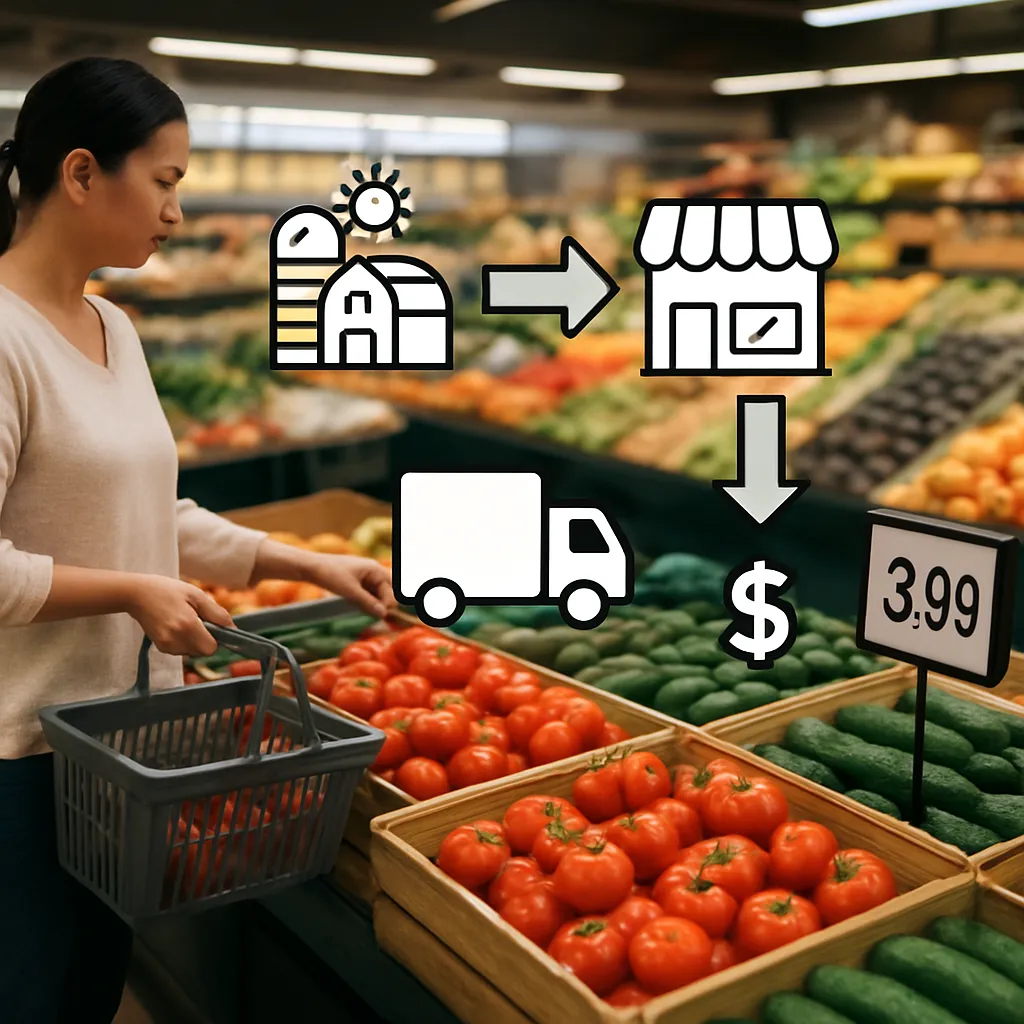
Once tomatoes are harvested, they must be transported to markets. Distribution costs can vary based on distance, transportation methods, and market access. Farmers in remote areas may face higher transportation costs, which can affect their pricing strategies. Additionally, access to local markets can provide farmers with better pricing opportunities compared to relying solely on larger, distant markets.
Market Trends and Consumer Behavior
Understanding market trends and consumer behavior is essential for farmers and distributors in the tomato market. As consumer preferences evolve, so too must the strategies employed by those in the industry.
Health Trends and Organic Produce
In recent years, there has been a growing trend towards health-conscious eating. Consumers are increasingly seeking fresh, organic produce, including tomatoes. This shift has led to a rise in demand for organic tomatoes, which often command higher prices in the market. Farmers who adapt to these trends by offering organic options may benefit from increased profitability.
Technological Advancements
Technological advancements in agriculture have also influenced the tomato market. Innovations such as precision farming, greenhouse technology, and automated harvesting can improve efficiency and reduce production costs. Farmers who adopt these technologies may be better positioned to compete in the market and respond to changing consumer demands.
Conclusion
The tomato market is shaped by a complex interplay of supply and demand dynamics, climatic conditions, production costs, and evolving market trends. Understanding these key factors is essential for stakeholders in the industry, from farmers to consumers. By staying informed and adapting to changes in the market, those involved in tomato production can navigate the challenges and opportunities that arise, ensuring a sustainable and profitable future in this vital agricultural sector.