The prices of bell peppers in Poland are subject to significant seasonal fluctuations, influenced by various factors such as weather conditions, supply and demand dynamics, and agricultural practices. Understanding these price changes is crucial for farmers, retailers, and consumers alike, as it can impact decisions related to planting, harvesting, and purchasing. This article delves into the seasonal variations in bell pepper prices in Poland, examining the underlying causes and implications for the agricultural sector.
Seasonal Trends in Bell Pepper Prices
Bell pepper prices in Poland typically exhibit a clear seasonal pattern, with prices varying significantly throughout the year. The primary growing season for bell peppers in Poland runs from late spring to early autumn, with peak harvest occurring in July and August. During this period, the supply of fresh bell peppers increases, leading to a decrease in prices. Conversely, during the winter months, when domestic production is limited, prices tend to rise due to reduced supply and increased reliance on imports.
Factors Influencing Seasonal Price Changes
Several factors contribute to the seasonal price changes of bell peppers in Poland:
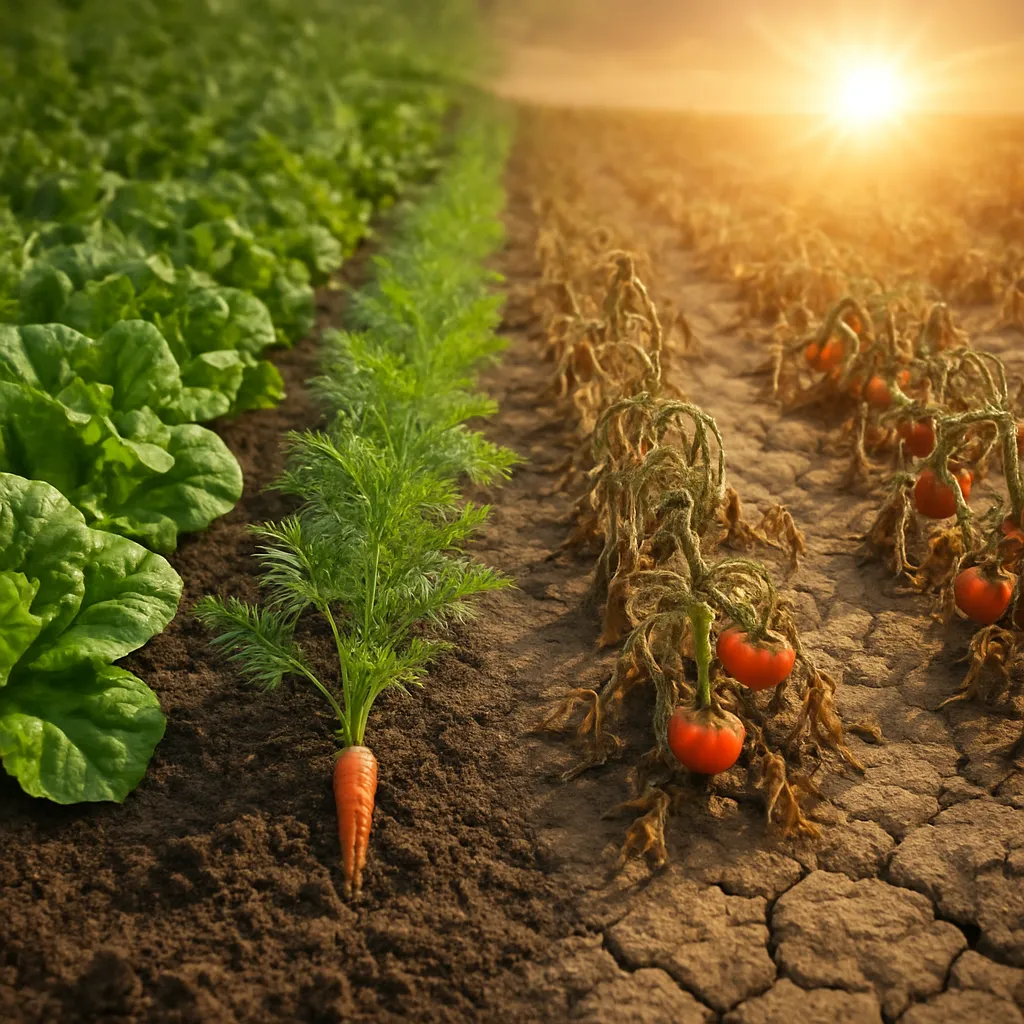
- Weather Conditions: Weather plays a crucial role in agricultural production. Unfavorable weather conditions, such as excessive rain or drought, can adversely affect crop yields, leading to price spikes. For instance, a wet summer may result in lower quality peppers, reducing supply and increasing prices.
- Supply and Demand Dynamics: The balance between supply and demand is a fundamental driver of price changes. During peak harvest, the abundance of bell peppers leads to lower prices. However, as the season progresses and supply diminishes, prices tend to rise. Additionally, consumer demand can fluctuate based on trends, dietary preferences, and seasonal recipes.
- Import and Export Activities: Poland’s bell pepper market is also influenced by international trade. During the off-season, imports from countries with different growing seasons can affect local prices. Conversely, if Polish farmers export a significant portion of their harvest, domestic supply may decrease, leading to higher prices.
- Agricultural Practices: The methods employed by farmers, including the use of greenhouses and advanced cultivation techniques, can impact the timing and volume of bell pepper production. Farmers who adopt innovative practices may be able to extend the growing season, potentially stabilizing prices.
Implications for Farmers and Consumers
The seasonal price fluctuations of bell peppers have important implications for both farmers and consumers. For farmers, understanding these trends is essential for making informed decisions about planting schedules, crop management, and marketing strategies. By anticipating price changes, farmers can optimize their production to maximize profits.
Strategies for Farmers
Farmers can adopt several strategies to mitigate the impact of seasonal price fluctuations:
- Diversification: Growing a variety of crops can help farmers reduce their reliance on a single product, thereby minimizing risk associated with price volatility. By diversifying their offerings, farmers can better navigate market fluctuations.
- Market Research: Staying informed about market trends and consumer preferences can help farmers make strategic decisions about when to sell their produce. Engaging with local markets and understanding consumer demand can lead to better pricing outcomes.
- Storage and Preservation: Investing in storage facilities or preservation techniques can allow farmers to hold onto their produce during peak harvest times when prices are low. By strategically timing their sales, they can take advantage of higher prices later in the season.
Considerations for Consumers
For consumers, being aware of seasonal price changes can lead to more informed purchasing decisions. Understanding when bell peppers are in season can help consumers take advantage of lower prices and fresher produce. Additionally, consumers can support local farmers by purchasing seasonal produce, which can contribute to the sustainability of the agricultural sector.
Conclusion
The analysis of seasonal changes in bell pepper prices in Poland reveals a complex interplay of factors that influence the agricultural market. By understanding these dynamics, both farmers and consumers can make more informed decisions that benefit their respective interests. As the agricultural landscape continues to evolve, staying attuned to market trends and seasonal variations will be essential for navigating the challenges and opportunities within the bell pepper market.