The prices of oilseeds in Poland have been subject to significant fluctuations over the years, influenced by various factors such as global market trends, domestic demand, and agricultural policies. Understanding these price changes is crucial for farmers, investors, and policymakers alike, as they directly impact the agricultural economy and food production. This article delves into the dynamics of oilseed prices in Poland, exploring the factors that contribute to their volatility and the implications for the agricultural sector.
Factors Influencing Oilseed Prices in Poland
Several key factors play a role in determining the prices of oilseeds in Poland. These include global market conditions, domestic production levels, government policies, and environmental factors. Each of these elements interacts in complex ways, leading to the price changes observed in the market.
Global Market Conditions
The global market for oilseeds is highly interconnected, with prices influenced by international supply and demand dynamics. Major oilseed producers, such as the United States, Brazil, and Argentina, significantly impact global prices. For instance, a poor harvest in one of these countries can lead to increased prices worldwide, including in Poland. Conversely, a bumper crop can lead to lower prices.
- Supply and Demand: The basic economic principle of supply and demand plays a crucial role in price determination. When global demand for oilseeds rises, prices tend to increase. This demand can be driven by various factors, including the growing popularity of plant-based oils and the increasing use of oilseeds in animal feed.
- Currency Fluctuations: The strength of the Polish zloty against other currencies can also affect oilseed prices. A weaker zloty makes imports more expensive, which can lead to higher domestic prices.
Domestic Production Levels
Poland’s domestic production of oilseeds, particularly rapeseed, plays a significant role in determining local prices. Factors such as weather conditions, agricultural practices, and crop yields directly influence the amount of oilseed produced each year.
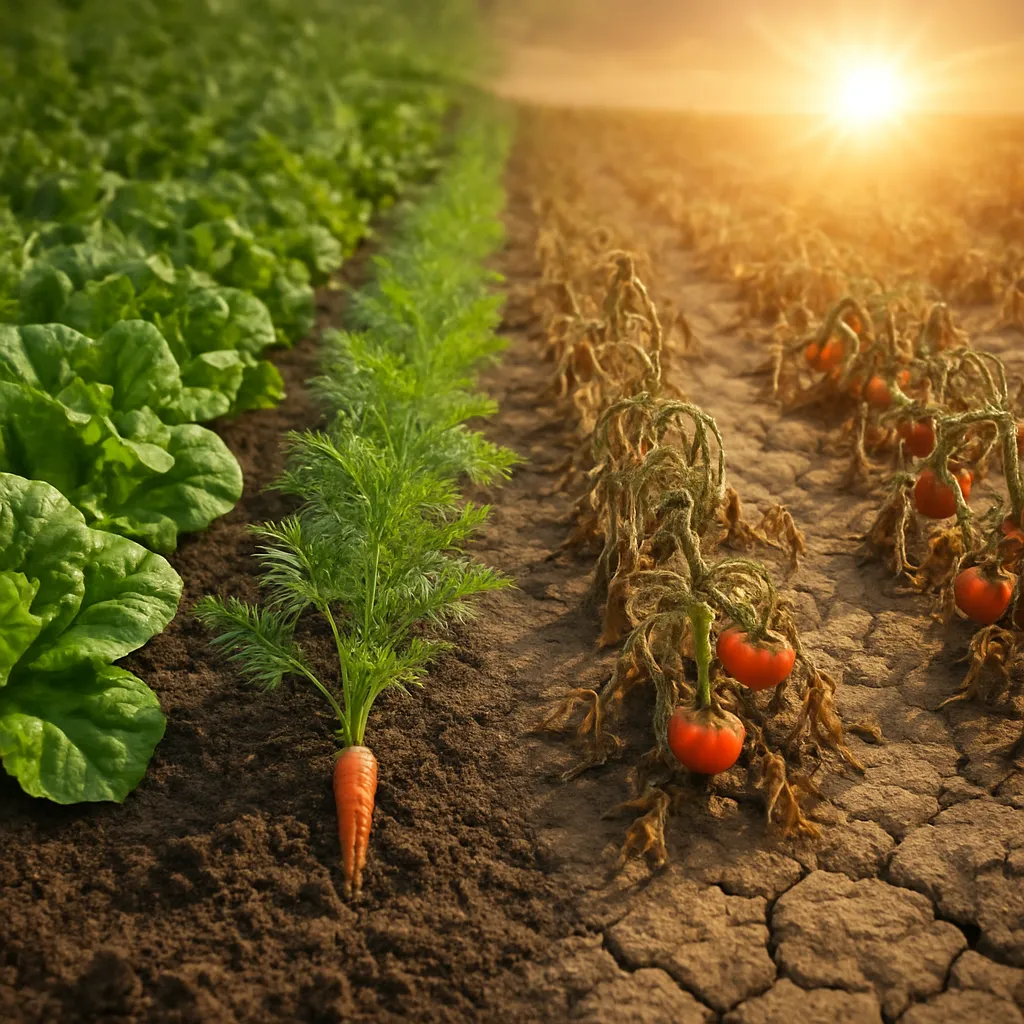
- Weather Conditions: Adverse weather conditions, such as droughts or excessive rainfall, can severely impact crop yields. For example, a drought during the growing season can lead to lower production levels, driving prices up.
- Agricultural Practices: The adoption of modern agricultural techniques and technologies can enhance productivity. Farmers who invest in high-quality seeds, fertilizers, and pest control measures may achieve better yields, which can stabilize prices.
Government Policies
Government policies regarding agriculture, trade, and subsidies can significantly influence oilseed prices. In Poland, various programs aim to support farmers and stabilize prices.
- Subsidies: Direct payments and subsidies for oilseed production can encourage farmers to grow more oilseeds, potentially leading to lower prices if supply exceeds demand.
- Trade Policies: Import tariffs and export restrictions can also affect prices. For instance, if the government imposes tariffs on imported oilseeds, domestic prices may rise due to reduced competition.
Implications of Price Changes for the Agricultural Sector
The fluctuations in oilseed prices have far-reaching implications for the agricultural sector in Poland. These changes can affect farmers’ income, investment decisions, and overall agricultural sustainability.
Impact on Farmers’ Income
For farmers, the price of oilseeds directly affects their profitability. When prices are high, farmers can enjoy increased revenues, which can be reinvested into their operations. However, when prices fall, farmers may struggle to cover their costs, leading to financial difficulties.
- Financial Planning: Farmers must engage in careful financial planning to navigate price volatility. This may involve diversifying their crops or investing in risk management tools such as futures contracts.
- Long-term Sustainability: Consistent low prices can lead to reduced investment in agricultural practices, potentially harming long-term sustainability. Farmers may be less inclined to invest in soil health, crop rotation, or other practices that ensure future productivity.
Investment Decisions
Price changes can also influence investment decisions within the agricultural sector. High prices may encourage new entrants into the market, while low prices can deter investment.
- Attracting New Farmers: When oilseed prices are high, new farmers may be attracted to the market, increasing competition and potentially leading to overproduction.
- Technological Advancements: Farmers may be more willing to invest in new technologies and practices when prices are favorable, leading to increased efficiency and productivity.
Market Stability and Food Security
Price volatility in oilseeds can also have implications for market stability and food security. Fluctuating prices can lead to uncertainty in the food supply chain, affecting consumers and food producers alike.
- Consumer Prices: Changes in oilseed prices can ultimately affect the prices of food products that rely on these ingredients, impacting consumers’ purchasing power.
- Food Production: Stability in oilseed prices is crucial for ensuring a reliable supply of food products. Significant price fluctuations can disrupt production schedules and lead to food shortages.
Conclusion
The prices of oilseeds in Poland are influenced by a myriad of factors, including global market conditions, domestic production levels, and government policies. Understanding these dynamics is essential for stakeholders in the agricultural sector, as price fluctuations can have significant implications for farmers’ income, investment decisions, and overall market stability. As the agricultural landscape continues to evolve, staying informed about these trends will be crucial for ensuring a sustainable and profitable future for oilseed production in Poland.