The current prices of organic products at collection points reflect the growing demand for sustainable agriculture and health-conscious consumer choices. As more people become aware of the benefits of organic farming, the market for organic products has expanded significantly. This article will explore the factors influencing the prices of organic products, the current market trends, and the implications for both farmers and consumers.
Understanding Organic Product Pricing
Organic products are often priced higher than their conventional counterparts due to several factors. The production process for organic farming is more labor-intensive and requires adherence to strict regulations. Farmers must invest in organic seeds, natural fertilizers, and pest control methods, which can increase their overall costs. Additionally, the certification process for organic farming can be both time-consuming and expensive, further contributing to the higher prices of organic products.
Factors Influencing Prices
- Production Costs: Organic farming typically involves higher production costs due to the need for organic inputs and sustainable practices. Farmers often face challenges such as lower yields compared to conventional farming, which can lead to increased prices for consumers.
- Market Demand: The rising consumer demand for organic products has led to increased prices. As more people prioritize health and sustainability, the market for organic goods continues to grow, allowing farmers to charge more for their products.
- Supply Chain Dynamics: The supply chain for organic products can be more complex than that of conventional products. Limited availability of organic products in certain regions can drive prices up, especially during off-seasons.
- Certification and Compliance: The costs associated with obtaining and maintaining organic certification can be significant. Farmers must comply with various regulations, which can add to their operational expenses.
Current Market Trends for Organic Products
As of 2023, the organic market has seen notable trends that influence pricing. The COVID-19 pandemic has accelerated the shift towards organic products as consumers become more health-conscious. This section will delve into the current market trends and how they affect the prices of organic products.
Increased Consumer Awareness
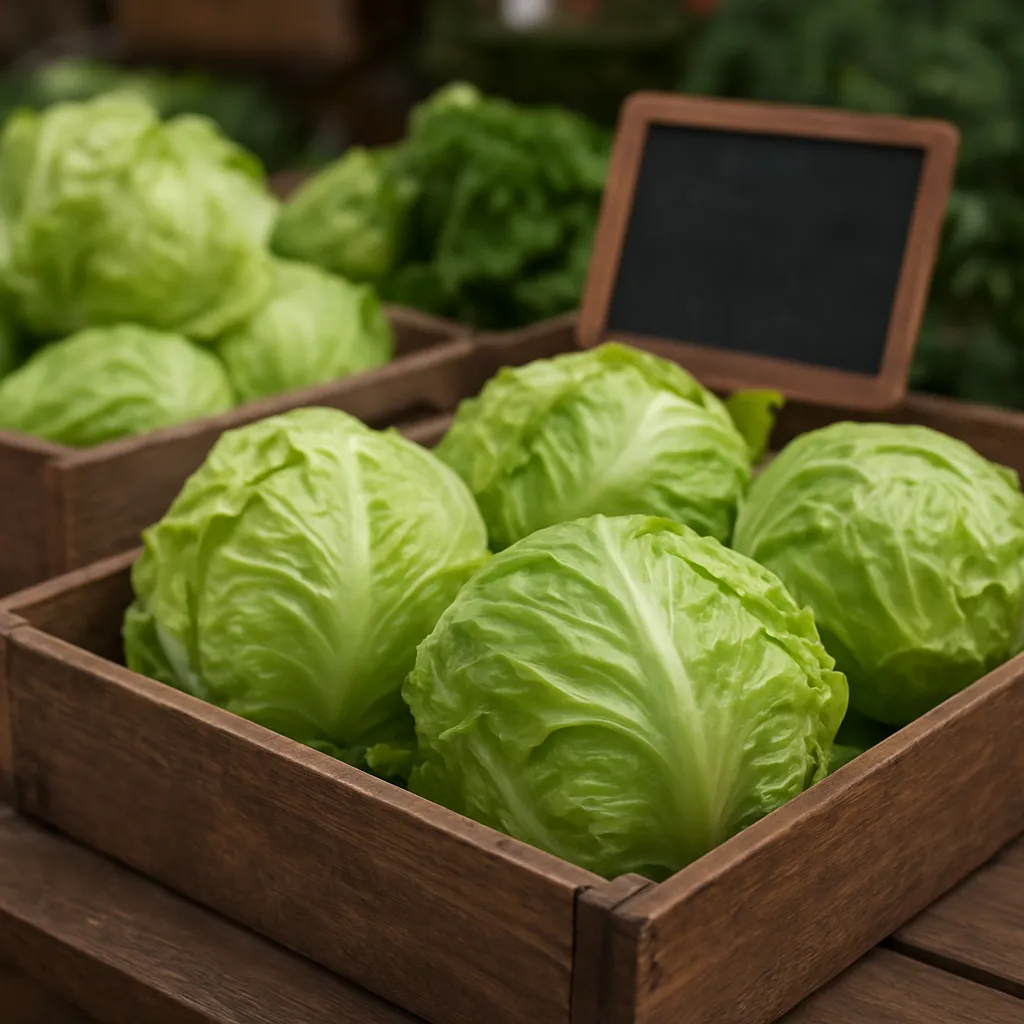
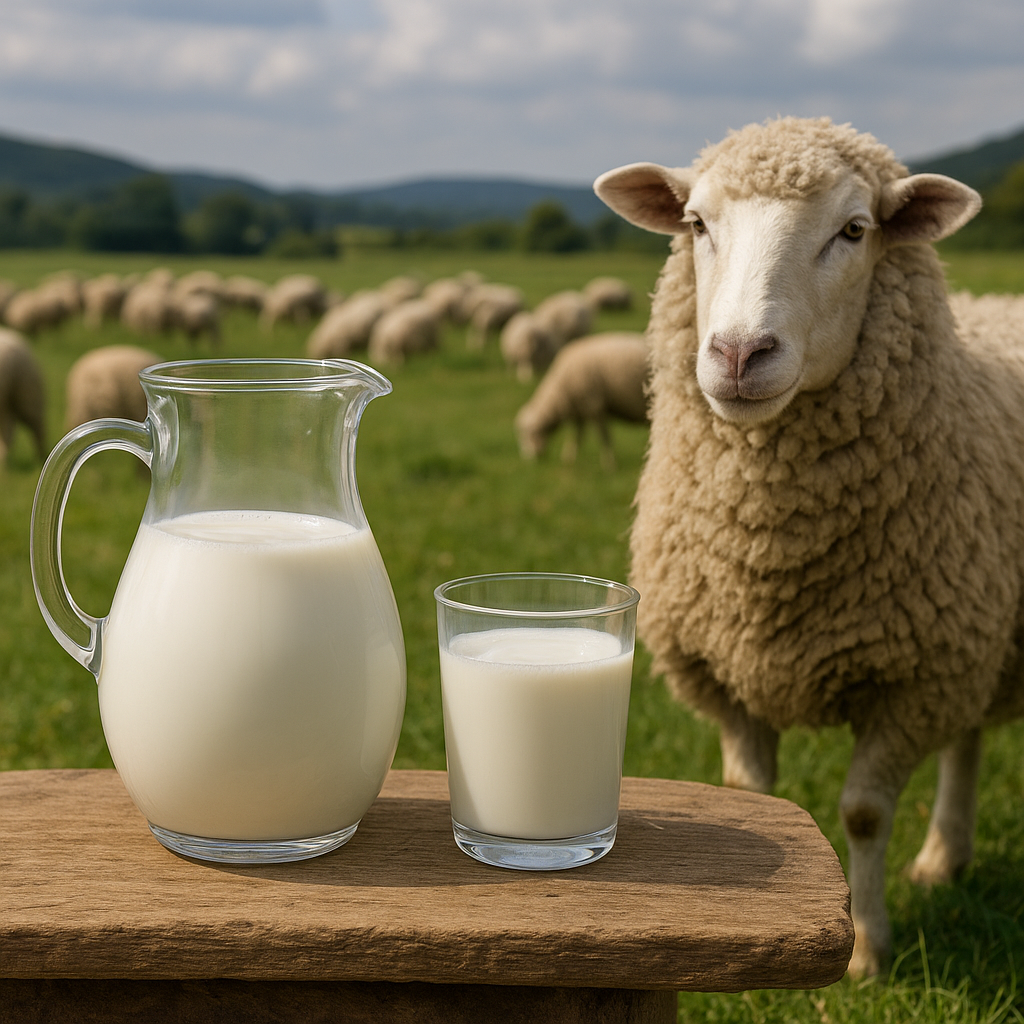
Consumers are increasingly aware of the benefits of organic products, including their nutritional value and environmental impact. This awareness has led to a surge in demand, particularly for fresh produce, dairy, and meat products. As a result, prices for these items have risen significantly in many regions.
Regional Price Variations
Prices for organic products can vary widely depending on the region. In urban areas, where demand is typically higher, organic products may command premium prices. Conversely, in rural areas where organic farming is more prevalent, prices may be more competitive. Understanding these regional differences is crucial for both consumers and farmers.
Impact of Climate Change
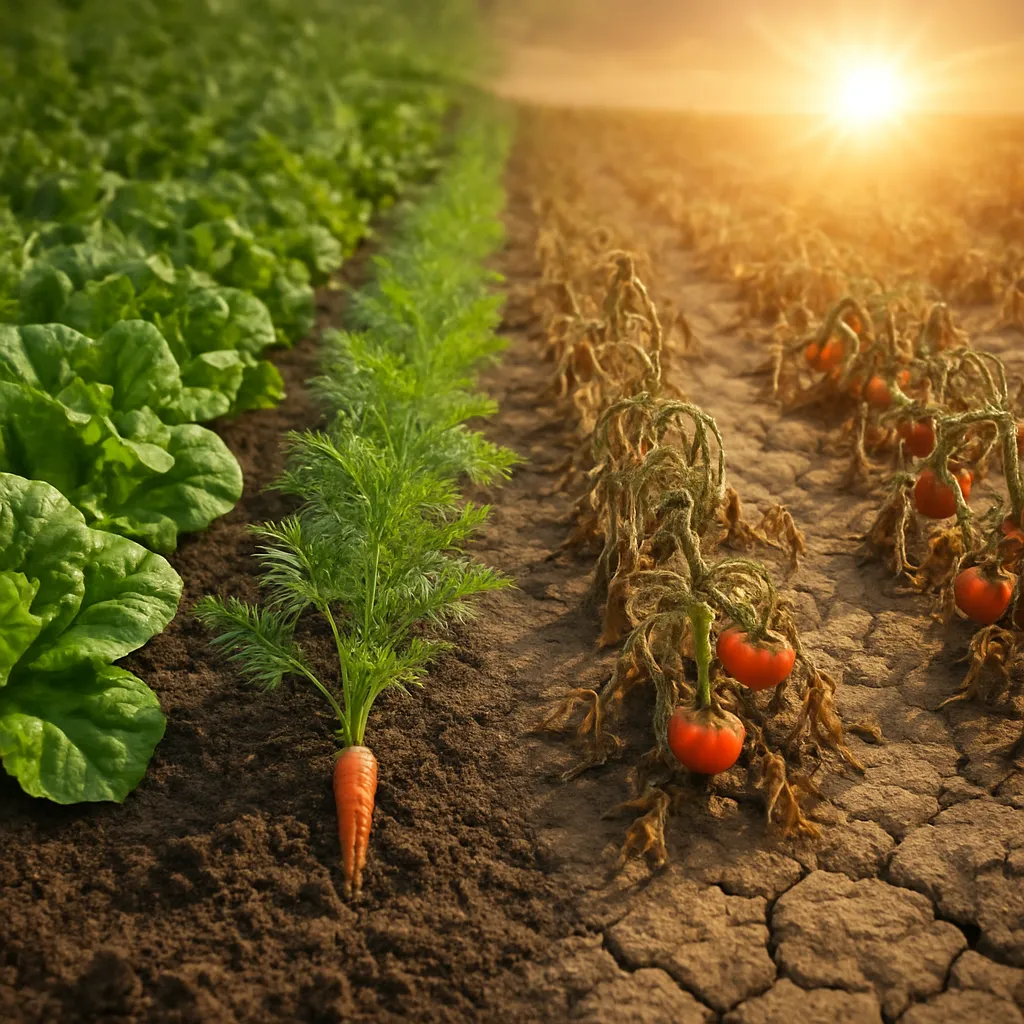
Climate change poses a significant challenge to agriculture, including organic farming. Extreme weather events can affect crop yields, leading to fluctuations in supply and, consequently, prices. Farmers may face increased costs for irrigation, pest control, and crop insurance, which can further impact the pricing of organic products.
Implications for Farmers and Consumers
The pricing dynamics of organic products have important implications for both farmers and consumers. Understanding these implications can help stakeholders make informed decisions in the organic market.
For Farmers
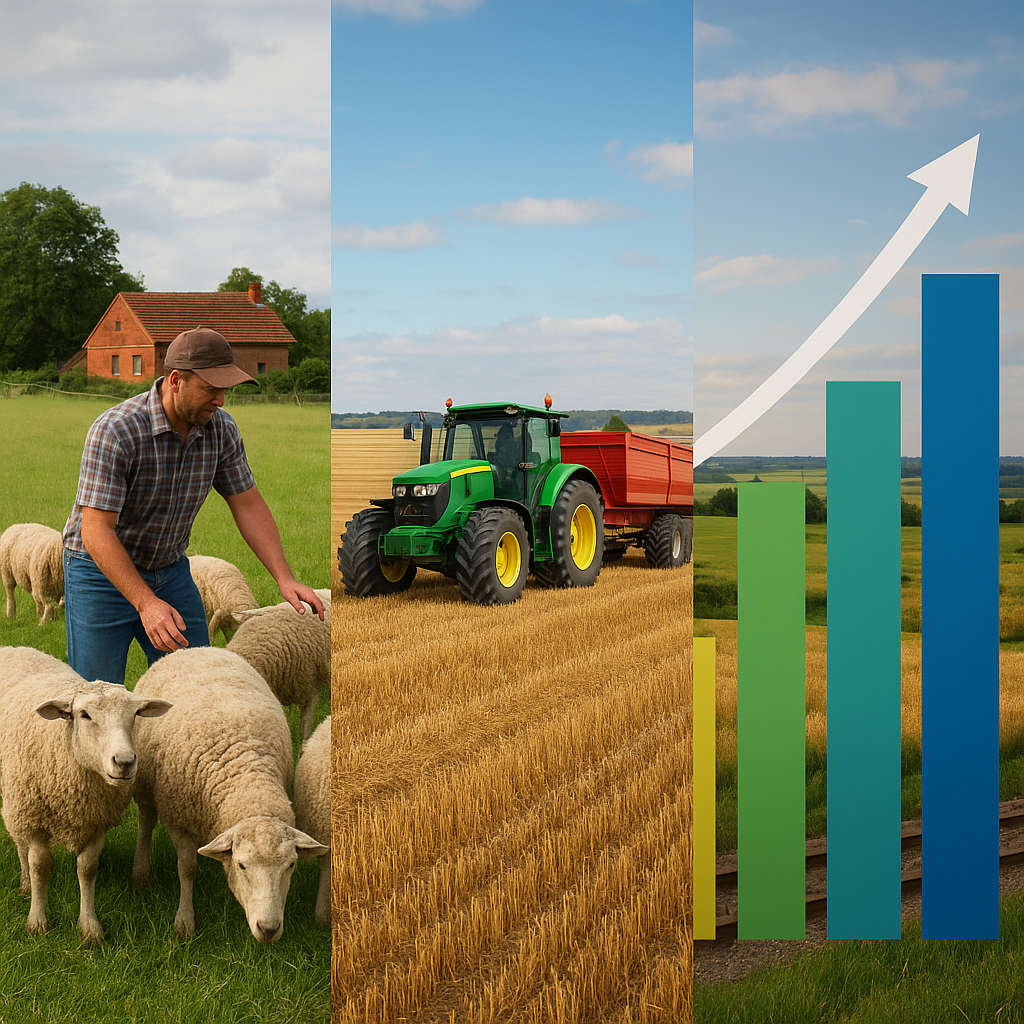
Farmers must navigate the challenges of organic farming while also responding to market demands. The higher prices for organic products can provide an opportunity for farmers to increase their profit margins. However, they must also be aware of the risks associated with fluctuating prices and changing consumer preferences.
- Investment in Sustainable Practices: Farmers may need to invest in sustainable practices and technologies to remain competitive in the organic market. This can include adopting precision agriculture techniques, improving soil health, and diversifying crops.
- Market Research: Conducting market research can help farmers understand consumer preferences and adjust their production strategies accordingly. This can lead to better pricing strategies and increased sales.
For Consumers
Consumers play a crucial role in shaping the organic market through their purchasing decisions. Understanding the factors that influence organic product pricing can help consumers make informed choices.
- Budget Considerations: While organic products may be more expensive, consumers should consider the long-term health benefits and environmental impact of their purchases. Investing in organic products can contribute to a healthier lifestyle and support sustainable farming practices.
- Supporting Local Farmers: Purchasing organic products from local farmers can help reduce transportation costs and support the local economy. Consumers can often find better prices and fresher products at farmers’ markets or community-supported agriculture (CSA) programs.
Conclusion
The current prices of organic products at collection points are influenced by a variety of factors, including production costs, market demand, and regional variations. As the organic market continues to grow, both farmers and consumers must adapt to the changing landscape. By understanding the dynamics of organic product pricing, stakeholders can make informed decisions that benefit their health, the environment, and the economy.
In summary, the organic market presents both challenges and opportunities. Farmers can capitalize on the growing demand for organic products, while consumers can make choices that align with their values and health goals. As we move forward, the importance of sustainable agriculture and the role of organic products in our food systems will only continue to increase.