Rice prices are a crucial indicator of agricultural health and food security, influencing economies and livelihoods across the globe. Understanding the trends and factors affecting rice prices is essential for farmers, traders, and policymakers alike. This article delves into the current trends in rice pricing, analyzes the underlying factors driving these trends, and explores the implications for various stakeholders in the agricultural sector.
Current Trends in Rice Prices
In recent years, rice prices have experienced significant fluctuations due to a variety of factors, including climate change, trade policies, and global demand. The price of rice is not only influenced by local production levels but also by international market dynamics. As one of the most widely consumed staple foods, rice prices can have a profound impact on food security, particularly in developing countries where rice constitutes a major part of the diet.
According to recent data, rice prices have shown an upward trend in several regions, particularly in Asia, where the majority of the world’s rice is produced and consumed. For instance, the FAO (Food and Agriculture Organization) reported that the global rice price index rose by approximately 10% over the past year. This increase can be attributed to several factors, including adverse weather conditions, rising production costs, and changes in consumer demand.
Regional Price Variations
Price variations are often observed between different regions, influenced by local supply and demand dynamics. In Asia, countries like India and Thailand are major exporters of rice, and their pricing strategies can significantly affect global rice prices. For example, India’s decision to impose export restrictions to ensure domestic supply can lead to increased prices in importing countries.
- India: As one of the largest rice producers, India’s pricing policies play a crucial role in the global market. Recent government interventions aimed at stabilizing domestic prices have led to fluctuations in export availability.
- Thailand: Known for its high-quality jasmine rice, Thailand’s pricing is influenced by both domestic production levels and international demand. The Thai government’s support for farmers can also impact pricing strategies.
- Vietnam: With a growing export market, Vietnam’s rice prices are increasingly competitive. The country has been focusing on improving quality and diversifying its rice varieties to meet global demand.
Factors Influencing Rice Prices
Several key factors influence rice prices, ranging from environmental conditions to economic policies. Understanding these factors is essential for predicting future price movements and making informed decisions in the agricultural sector.
Climate Change and Weather Patterns
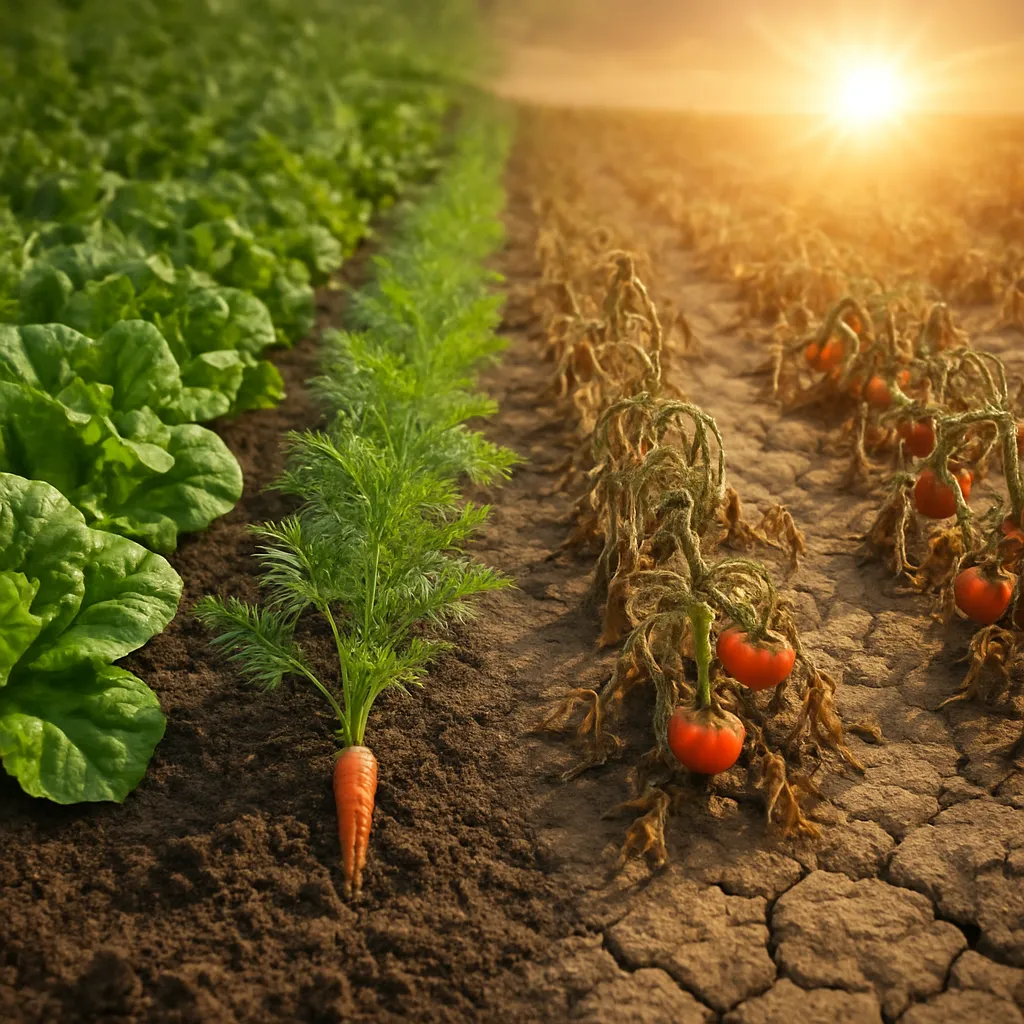
Climate change has emerged as a significant threat to rice production, affecting yields and, consequently, prices. Extreme weather events such as floods, droughts, and typhoons can devastate rice crops, leading to supply shortages and increased prices. For instance, the 2020 monsoon season in South Asia brought unprecedented rainfall, damaging rice fields and causing a spike in prices.
Farmers are increasingly adopting climate-resilient practices to mitigate these impacts, such as diversifying crop varieties and implementing water-saving technologies. However, the transition to more sustainable practices often requires investment and support from governments and organizations.
Global Demand and Consumption Patterns
The demand for rice is influenced by population growth, dietary changes, and economic development. As populations grow, particularly in Asia and Africa, the demand for rice continues to rise. Additionally, changing dietary preferences, with a shift towards more protein-rich diets, can affect rice consumption patterns.
Moreover, the COVID-19 pandemic has altered consumption patterns, with increased demand for staple foods like rice as consumers stockpiled essentials. This surge in demand, coupled with supply chain disruptions, has contributed to price volatility.
Trade Policies and International Relations
Trade policies play a crucial role in shaping rice prices on a global scale. Tariffs, export restrictions, and trade agreements can significantly impact the flow of rice between countries. For example, when major rice-exporting countries impose export bans to protect domestic supplies, it can lead to increased prices in importing nations.
International relations also affect trade dynamics. Political tensions between countries can lead to uncertainty in trade agreements, impacting rice prices. For instance, trade disputes between the United States and China have had ripple effects on agricultural commodities, including rice.
Implications for Stakeholders
The fluctuations in rice prices have far-reaching implications for various stakeholders in the agricultural sector. Farmers, traders, consumers, and policymakers must navigate these changes to ensure food security and economic stability.
Farmers
For farmers, rising rice prices can be a double-edged sword. While higher prices can lead to increased income, they can also result in higher production costs due to rising prices for inputs such as fertilizers and labor. Farmers must adapt to changing market conditions and invest in sustainable practices to remain competitive.
Traders and Exporters
Traders and exporters must stay informed about market trends and price fluctuations to make strategic decisions. Understanding the factors influencing prices can help them anticipate changes and adjust their trading strategies accordingly. Additionally, building strong relationships with suppliers and buyers can mitigate risks associated with price volatility.
Consumers
For consumers, rising rice prices can lead to increased food costs, particularly in regions where rice is a staple food. This can disproportionately affect low-income households, leading to food insecurity. Policymakers must consider these impacts when formulating agricultural and trade policies to ensure that vulnerable populations are protected.
Policymakers
Policymakers play a critical role in stabilizing rice prices and ensuring food security. Implementing effective agricultural policies, supporting farmers, and promoting sustainable practices are essential steps in addressing the challenges posed by price fluctuations. Additionally, fostering international cooperation can help mitigate the impacts of trade disputes and ensure a stable supply of rice.
Conclusion
Rice prices are influenced by a complex interplay of factors, including climate change, global demand, and trade policies. Understanding these trends and their implications is essential for all stakeholders in the agricultural sector. As the world continues to face challenges related to food security and climate change, it is crucial to adopt sustainable practices and policies that support farmers, traders, and consumers alike. By working together, we can navigate the complexities of the rice market and ensure a stable and secure food supply for future generations.