The influence of local conditions on apple prices in Poland is a multifaceted issue that encompasses various agricultural, economic, and environmental factors. Apples are one of the most popular fruits in Poland, and their production plays a significant role in the country’s agricultural sector. Understanding how local conditions affect apple prices can provide valuable insights for farmers, consumers, and policymakers alike. This article will explore the various local factors that impact apple pricing, including climate, soil quality, market access, and regional agricultural practices.
Climate and Weather Conditions
Climate is one of the most critical factors influencing apple production and pricing in Poland. The country experiences a temperate climate, which is generally favorable for apple cultivation. However, variations in weather patterns can significantly affect yield and quality, ultimately impacting prices.
Temperature and Frost
Temperature fluctuations during the growing season can lead to significant challenges for apple growers. For instance, late spring frosts can damage blossoms, resulting in reduced fruit set and lower yields. In regions where such frosts are common, apple prices may rise due to decreased supply. Conversely, in years with mild weather, higher yields can lead to lower prices as the market becomes saturated.
Precipitation and Irrigation
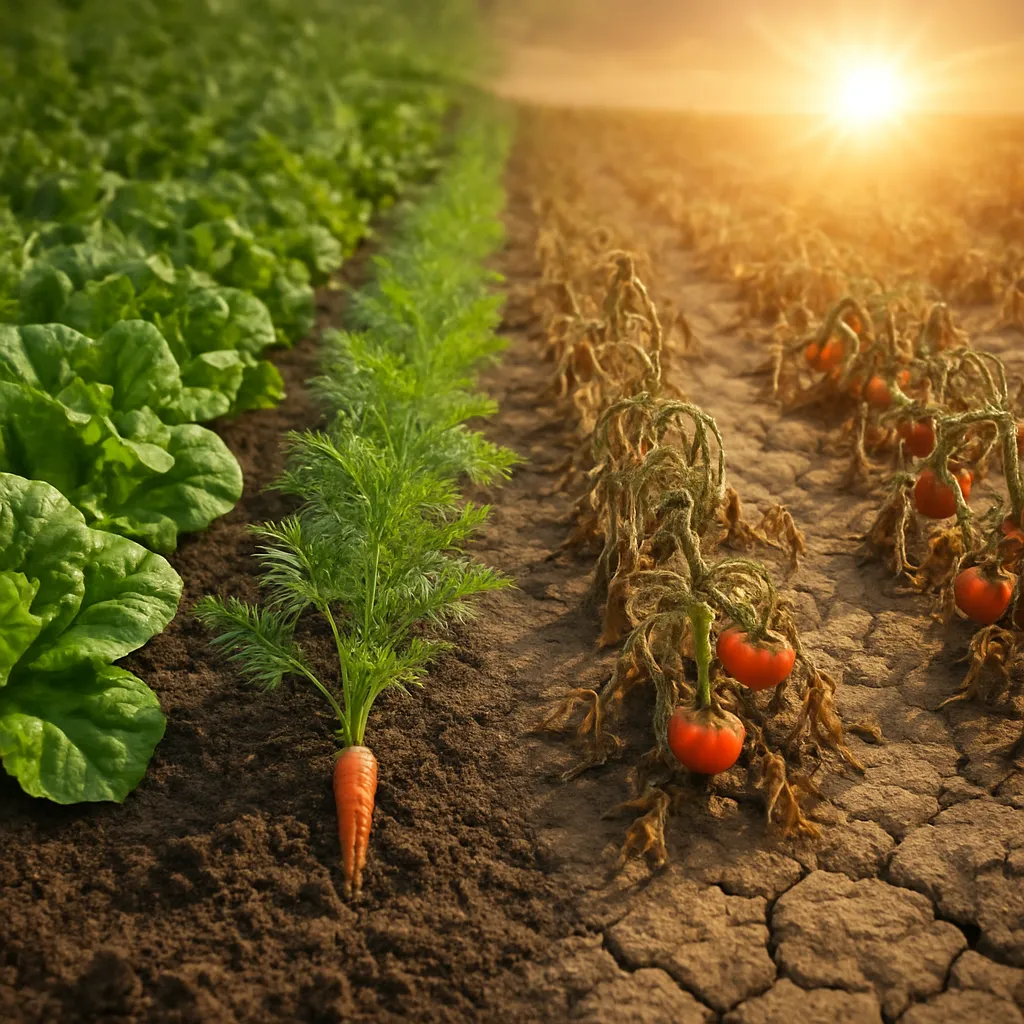
Water availability is another crucial aspect of apple cultivation. Adequate rainfall is essential for healthy tree growth and fruit development. In areas where rainfall is insufficient, farmers may need to invest in irrigation systems, which can increase production costs. These costs are often passed on to consumers, leading to higher apple prices. Conversely, regions with abundant rainfall may see lower prices due to higher yields and lower production costs.
Soil Quality and Agricultural Practices
The quality of soil in which apples are grown also plays a significant role in determining their prices. Different regions in Poland have varying soil types, which can affect the growth and quality of apple trees.
Soil Composition and Fertility
Soil composition, including its pH level, nutrient content, and drainage capacity, can significantly influence apple production. Regions with fertile, well-drained soils tend to produce higher-quality apples, which can command higher prices in the market. In contrast, areas with poor soil quality may struggle to produce competitive fruit, leading to lower prices.
Farming Practices and Technology
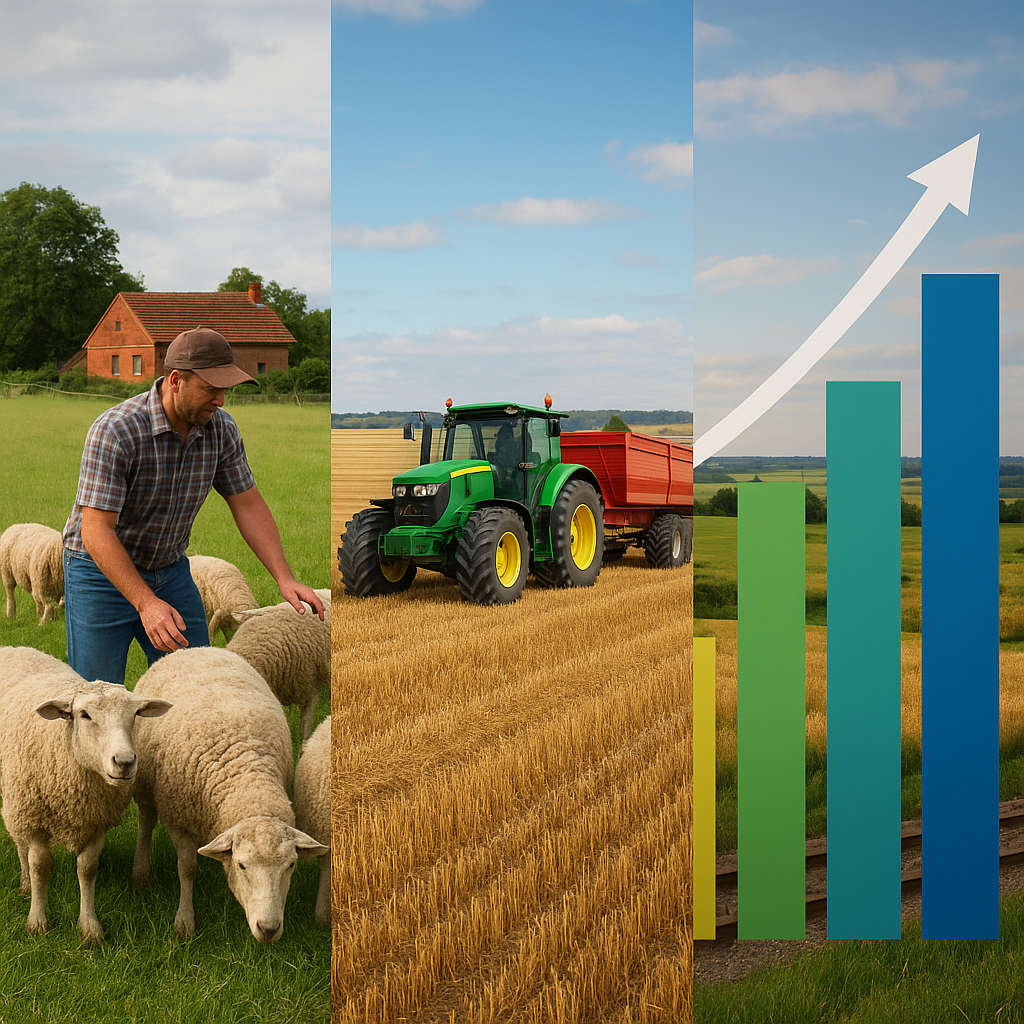
Modern agricultural practices and technology also impact apple production and pricing. Farmers who adopt advanced techniques, such as precision agriculture, can optimize their yields and reduce costs. This efficiency can lead to lower prices for consumers. On the other hand, traditional farming methods may result in lower yields and higher prices due to increased production costs.
Market Access and Distribution
Market access is another critical factor influencing apple prices in Poland. The ability of farmers to reach consumers directly or through efficient distribution channels can significantly affect pricing.
Local Markets vs. Export Opportunities
Farmers who have access to local markets can often sell their apples at higher prices due to reduced transportation costs and the ability to offer fresh produce. In contrast, those reliant on export markets may face fluctuating prices based on international demand and competition. For instance, if a particular region in Poland has a surplus of apples, local prices may drop, while export prices may remain stable or even increase due to demand in foreign markets.
Supply Chain Efficiency
The efficiency of the supply chain also plays a vital role in determining apple prices. A well-organized supply chain can reduce costs and ensure that apples reach consumers quickly, maintaining their freshness and quality. Conversely, inefficiencies in the supply chain can lead to increased costs, which are often passed on to consumers in the form of higher prices.
Regional Differences in Apple Production
Poland is home to several apple-producing regions, each with its unique characteristics that influence pricing. Understanding these regional differences can provide further insights into the factors affecting apple prices.
Podkarpackie and Małopolskie Regions
The Podkarpackie and Małopolskie regions are known for their high-quality apple production. The favorable climate and fertile soils in these areas contribute to the cultivation of premium apple varieties. As a result, apples from these regions often command higher prices in the market. Additionally, local farmers may engage in direct sales at farmers’ markets, further enhancing their profit margins.
Lubusz and Greater Poland Regions
In contrast, the Lubusz and Greater Poland regions have a more diverse agricultural landscape, with apple production being just one of many crops. While these areas also produce apples, the competition from other fruits and vegetables can lead to lower prices. Farmers in these regions may need to adopt innovative marketing strategies to differentiate their products and maintain competitive pricing.
Consumer Preferences and Trends
Consumer preferences also play a significant role in determining apple prices in Poland. As health consciousness rises, the demand for fresh, organic, and locally sourced produce has increased, influencing pricing dynamics.
Organic Apples and Premium Pricing
Organic apples often command higher prices due to the perceived health benefits and the increased costs associated with organic farming practices. Consumers are willing to pay a premium for organic produce, which can significantly impact the pricing structure in the apple market. Farmers who transition to organic practices may find that their apples sell for much higher prices, provided they can meet the necessary certification standards.
Seasonal Demand and Pricing Fluctuations
Seasonal demand also affects apple prices. During the harvest season, prices may drop due to increased supply, while off-season prices can rise as consumers seek out apples that are no longer in season. Understanding these seasonal trends can help farmers plan their production and marketing strategies effectively.
Conclusion
The influence of local conditions on apple prices in Poland is a complex interplay of climate, soil quality, market access, regional differences, and consumer preferences. By understanding these factors, farmers can make informed decisions that enhance their production and pricing strategies. As the agricultural landscape continues to evolve, staying attuned to local conditions and market trends will be essential for maintaining competitiveness in the apple market.